A practice for empathic and
experimental architecture
2.Photography
5.Library
8.Plan
11.Library
12.Model
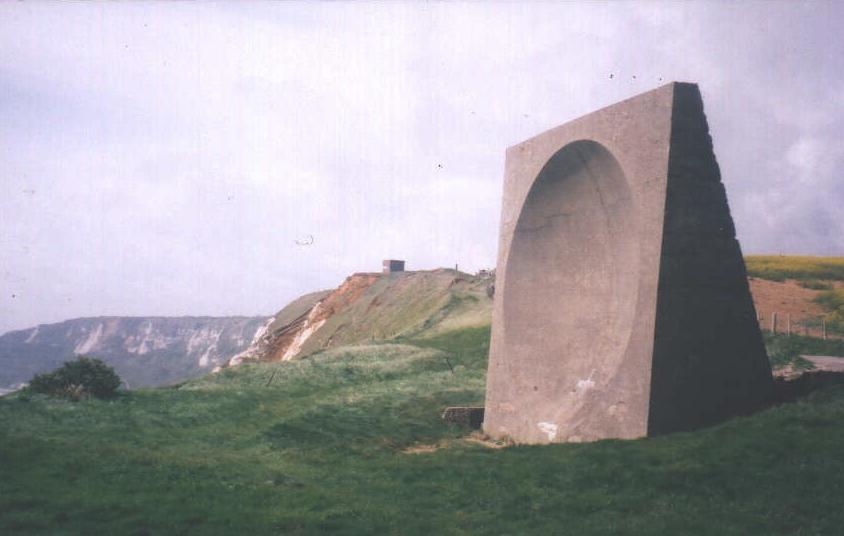
The Dungeness mirrors, known colloquially as the "listening ears", consist of three large concrete reflectors built in the 1920s–1930s. Before World War II and the invention of radar, acoustic mirrors were built as early warning devices around the coasts of Great Britain, with the aim of detecting incoming enemy aircraft by the sound of their engines.
Project Details
- Commenced: 2017. Exhibition Oct 17-20
- Photography: Coco and Maximilian
Awards
- AIA (Vic) Awards - Shortlist
Sound as we know is made up of vibrations, and has the ability to propagate through a number of different mediums. Sound can be perceived and analyzed through a series of extremely complex states. How each of our brains receive sound (through pressure and time) is completely unique.
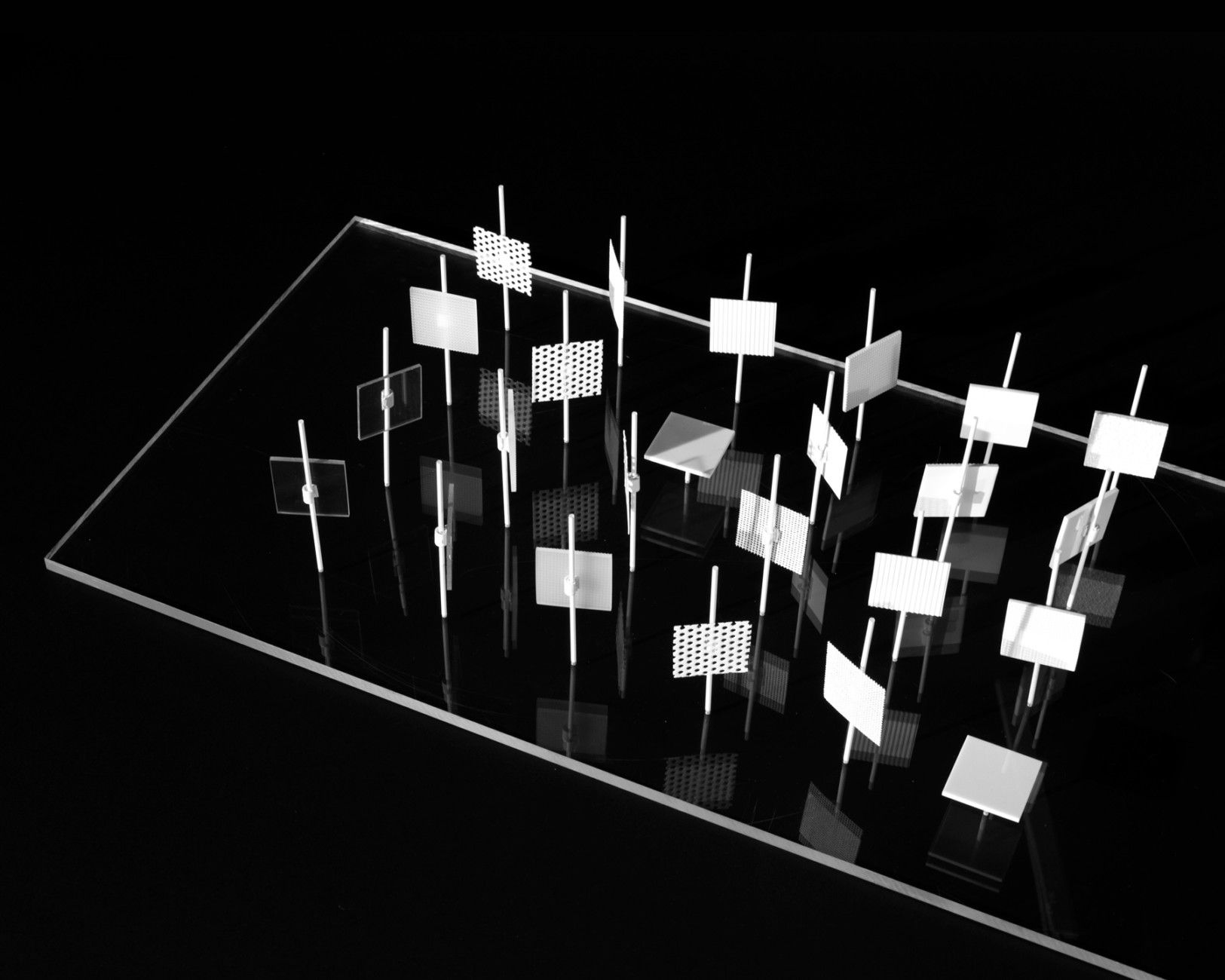
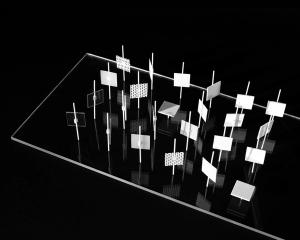
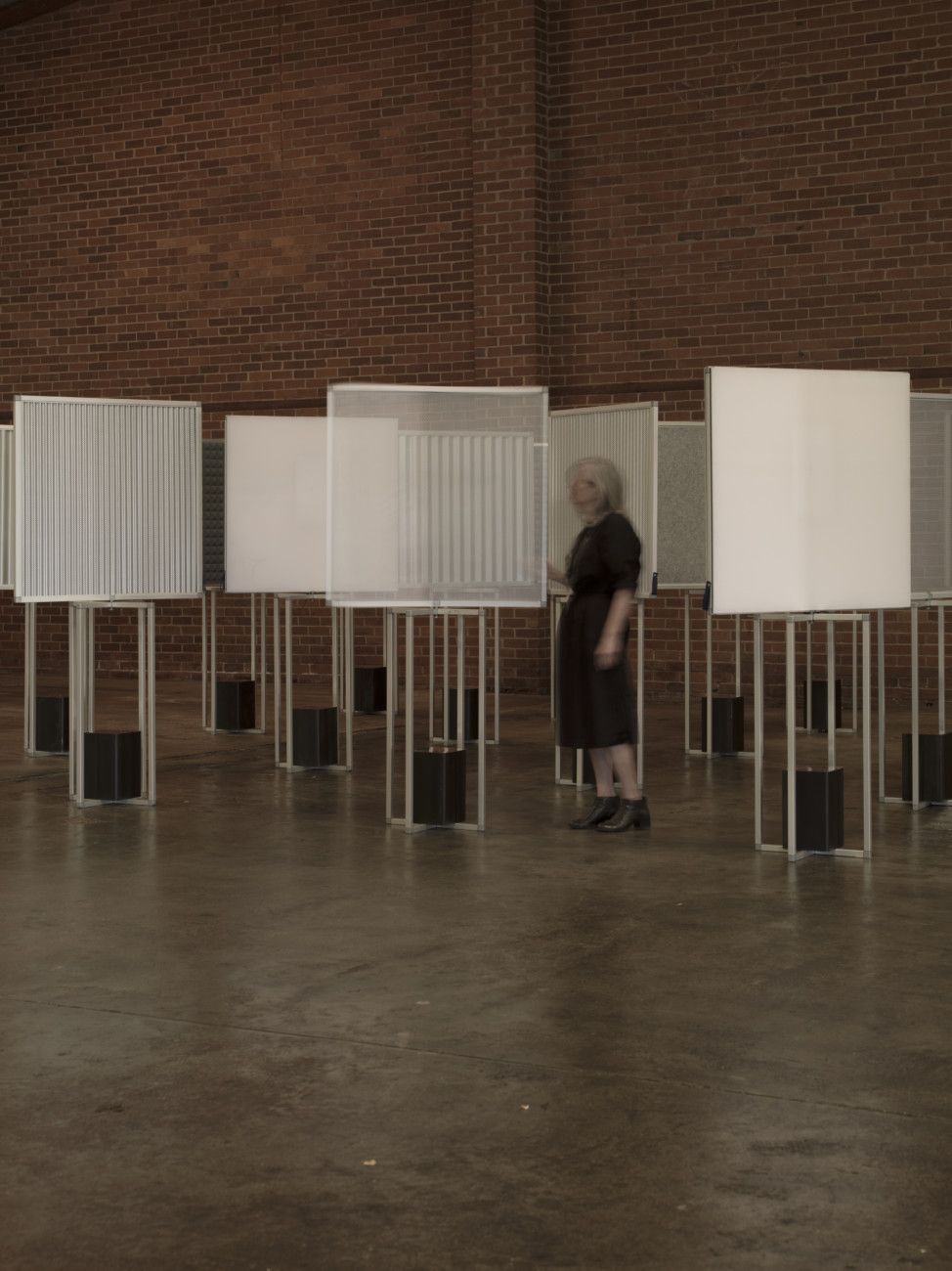
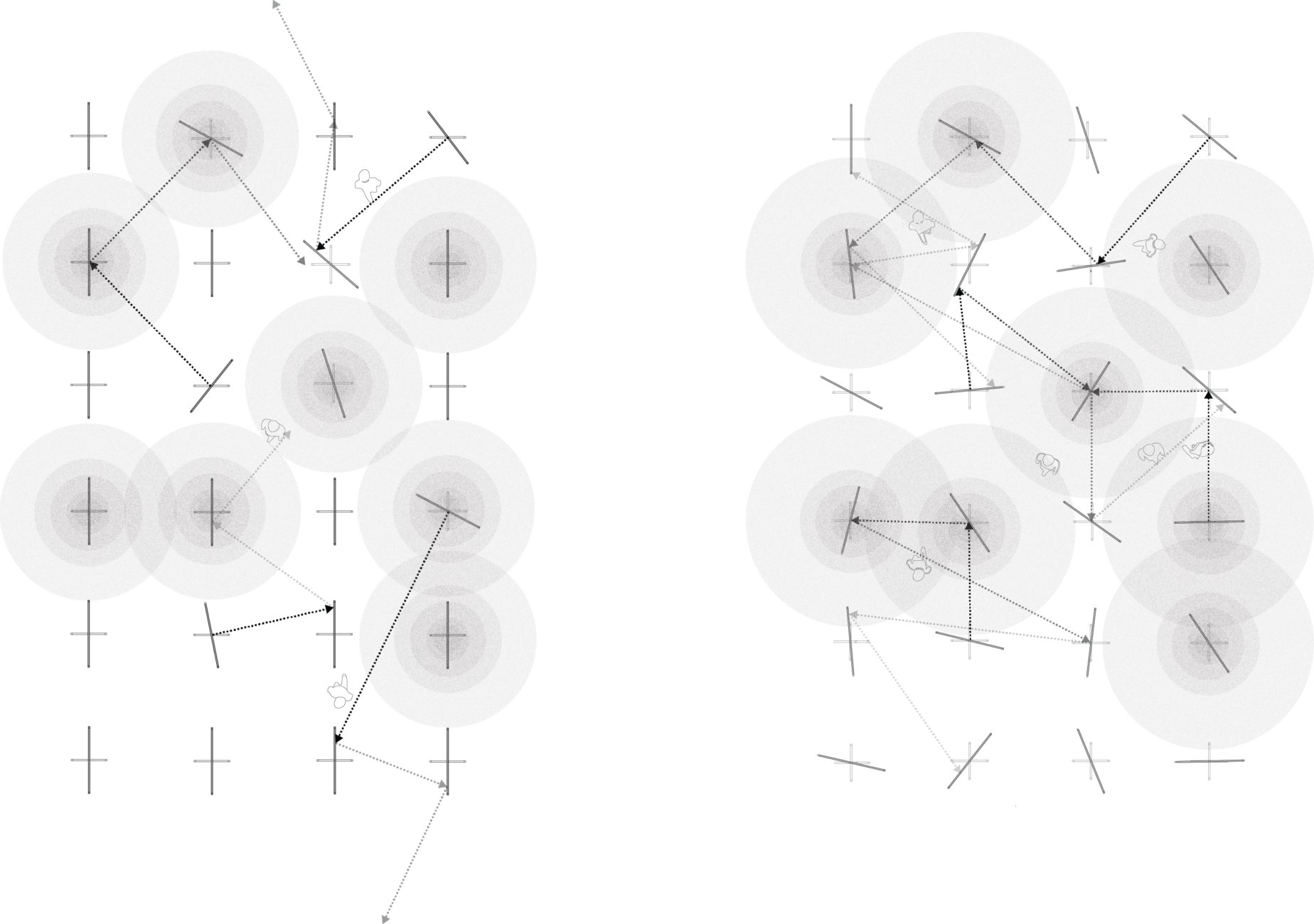
This project is designed to establish a new series of questions in relation to sound and dementia, not to simply answer existing ones, or re-define a past understanding. This project has been designed to challenge our phonic assumptions, looking at frequency, pitches, and the reaction of these on certain carefully selected materials.
This project aims to help bridge the gap between civic and industrial design for dementia, creating human scale experimental and experiential sensory place-making. Given the sensory experience of living with dementia, this project aims to design spaces around sound, to see what we can learn and how these principles can form a broader topics for conversation.
Project in collaboration with: ARUP (Theatre and Acoustic Consultants), and supported by: Dementia Training Australia, Alzheimer’s Australia, and Swinburne University.
Keywords
Alzheimer's Disease, Brain, Dementia, Experimental, Explorative, Installation, Phonic, Research, Sensory, SoundLAB, Speedframe
Photography
2.
Video
4.Final installation. Filmed by: Coco and Maximilian
Library
5.Being Mortal
Atul Gawande
Medicine has triumphed in modern times, transforming birth, injury, and infectious disease from harrowing to manageable. But in the inevitable condition of aging and death, the goals of medicine seem too frequently to run counter to the interest of the human spirit. Gawande, a practicing surgeon, addresses his profession’s ultimate limitation, arguing that quality of life is the desired goal for patients and families.
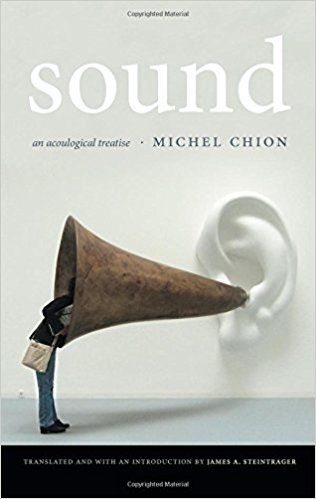
Sound: An Acoulogical Treatise
Michel Chion
Michel Chion’s Sound addresses the philosophical, interpretive, and practical questions that inform our encounters with sound. Chion considers how cultural institutions privilege some sounds above others and how spurious distinctions between noise and sound guide the ways we hear and value certain sounds. He critiques the tenacious tendency to understand sounds in relation to their sources and advocates “acousmatic” listening—listening without visual access to a sound’s cause—to disentangle ourselves from auditory habits and prejudices.
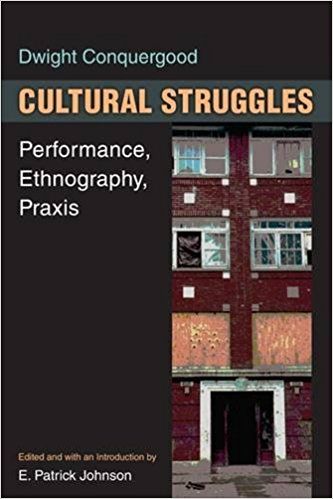
Cultural Struggles: Performance, Ethnography, Praxis
Dwight Conquergood, E. Patrick Johnson
The late Dwight Conquergood’s research has inspired an entire generation of scholars invested in performance as a meaningful paradigm to understand human interaction, especially between structures of power and the disenfranchised. Conquergood’s research laid the groundwork for others to engage issues of ethics in ethnographic research, performance as a meaningful paradigm for ethnography, and case studies that demonstrated the dissolution of theory/practice binaries.

Wilfrid Gordon McDonald Partridge
Mem Fox
A small boy tries to discover the meaning of “”memory”” so he can restore that of an elderly friend.
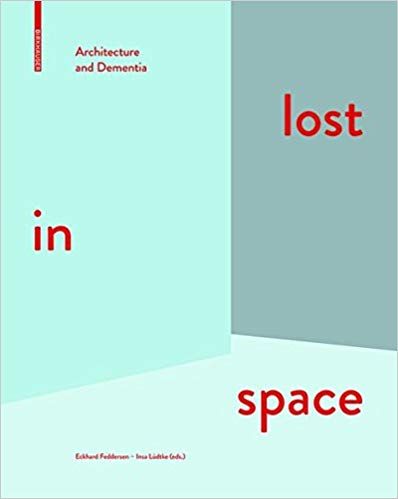
Lost in Space
Eckhard Feddersen
How can homes, apartments, public buildings, outdoor spaces, neighbourhoods and cities, as well as environments and infrastructure, be designed to meet the needs of people with dementia as well as those of their caregivers?
Video
6.October 2017. Setup testing time-lapse. ARUP offices. Speedframe
Memory. Nostalgia. Empathyby Associate Professor Flavia Marcello, Centre for Design Innovation, Swinburne University
7.The Memory Nostalgia Empathy project has at its heart the importance of experience. As human beings we build our identity, our way of being in the world and our daily lives on memory. Every day we remember many things and every day we forget a few things and we don’t think much of it. And we certainly don’t think much about what it would be like if everyday we remembered only a few things and forget almost everything else. We don’t think about what it must be like to lose that very thing on which we have built our identity, that has determined our way of being in the world, that has structured our daily lives.
Read More
Plan
8.
References
9.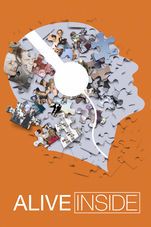
Alive Inside. Music and Memory
Alive Inside is a joyous cinematic exploration of music’s capacity to reawaken our souls and uncover the deepest parts of our humanity. This stirring documentary follows numerous visionaries in healthcare including social worker Dan Cohen, founder of the nonprofit organization Music & Memory, as he fights against a broken healthcare system to demonstrate music’s ability to combat memory loss and restore a deep sense of self to those suffering from it.
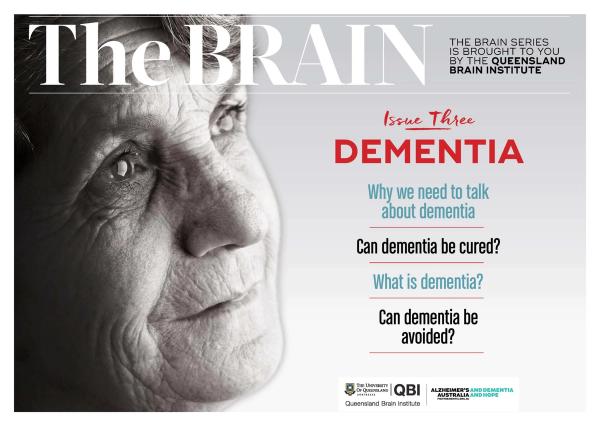
The Brain-Dementia-Queensland Brain Institute
Dementia is one of society’s most pressing health problems. It affects almost one in 10 people over the age of 65 and is the second leading cause of death in Australia. With life expectancy projected to increase in coming decades, more than one million Australians will be living with dementia by 2050 if no effective treatment is found.
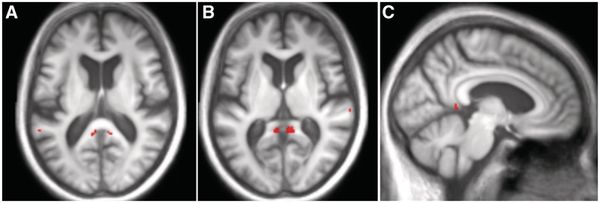
Impairments of auditory scene analysis in Alzheimers Disease
Parsing of sound sources in the auditory environment or ‘auditory scene analysis’ is a computationally demanding cognitive operation that is likely to be vulnerable to the neurodegenerative process in Alzheimer’s disease. However, little information is available concerning auditory scene analysis in Alzheimer’s disease

Acoustic design guidelines for dementia care facilities
People with dementia are particularly affected by the acoustic environment. While people with dementia might have normal hearing, they can lose the ability to interpret what they hear accurately. As such, the amount, type and variety of noise a person with dementia is exposed to needs to be carefully regulated, as over or under exposure to noise can cause confusion, illusions, frustration and agitation.
Video
10.This film was established as a clearer way of discussing the project hypothesis. It was used to drive our successful 'Pozible' crowdfunding campaign.
Library
11.The Soundscape
R. Murray Schafer
The soundscape–a term coined by the author–is our sonic environment, the ever-present array of noises with which we all live. Beginning with the primordial sounds of nature, we have experienced an ever-increasing complexity of our sonic surroundings. As civilization develops, new noises rise up around us: from the creaking wheel, the clang of the blacksmith’s hammer, and the distant chugging of steam trains to the “sound imperialism” of airports, city streets, and factories.
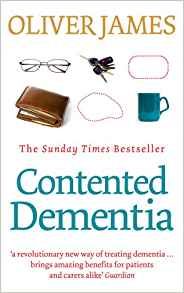
Contented Dementia
Oliver James
Dementia is a little-understood and currently incurable illness, but this guide shows how much can be done to maximize the quality of life for people with the condition. A person with dementia will experience random and increasingly frequent memory blanks relating to recent events; feelings, however, remain intact, as do memories of past events, and both can be used in a special way to substitute for more recent information that has been lost. The SPECAL method (Specialized Early Care for Alzheimer’s) outlined in this book works by creating links between past memories and the routine activities of daily life in the present. Drawing on real-life examples and user-friendly, tried-and-tested methods, this lifesaver provides essential information and guidance for carers, relatives, and professionals
Model
12.