

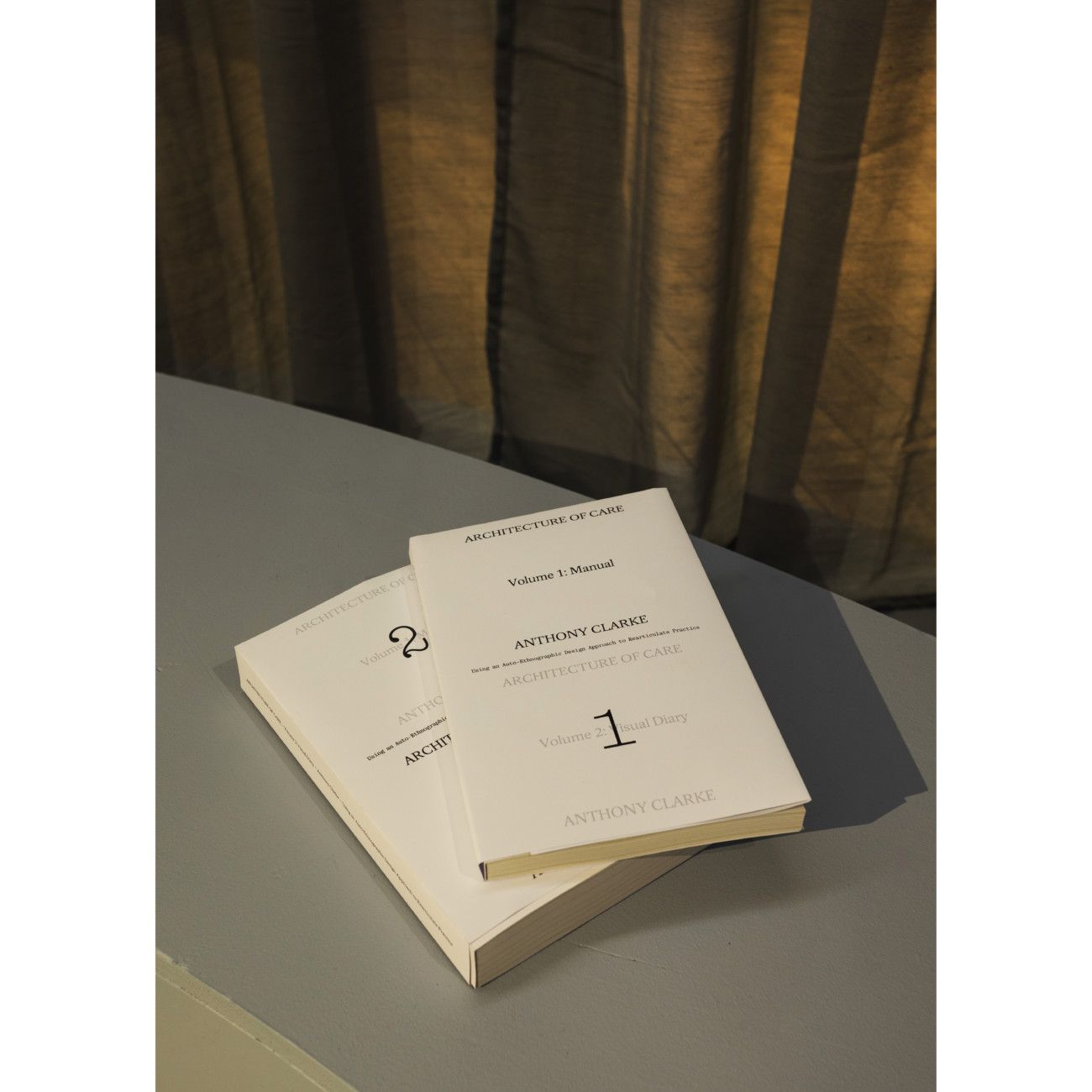
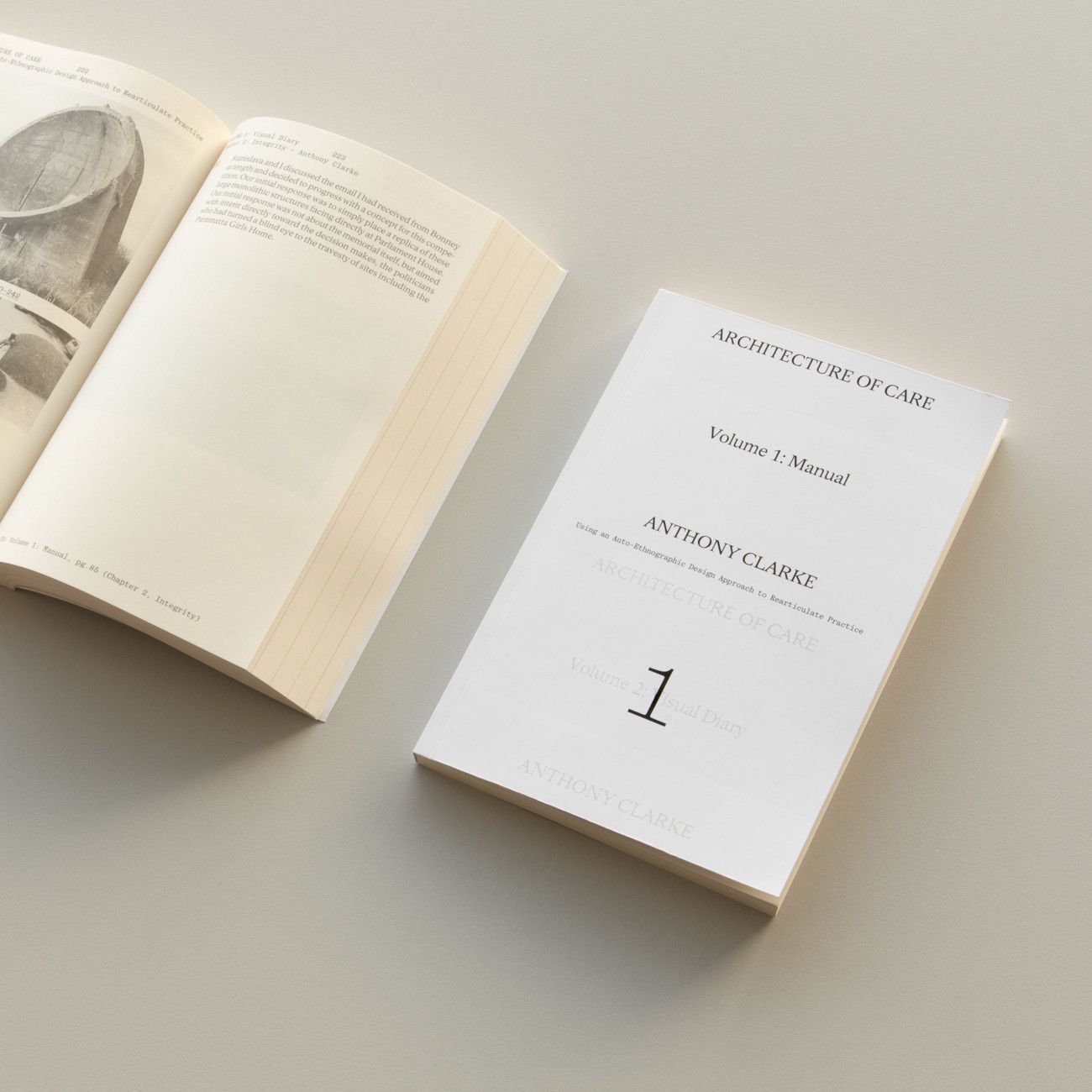
A practice for empathic and
experimental architecture

Introduction

Project Details


  • Commenced: 2019
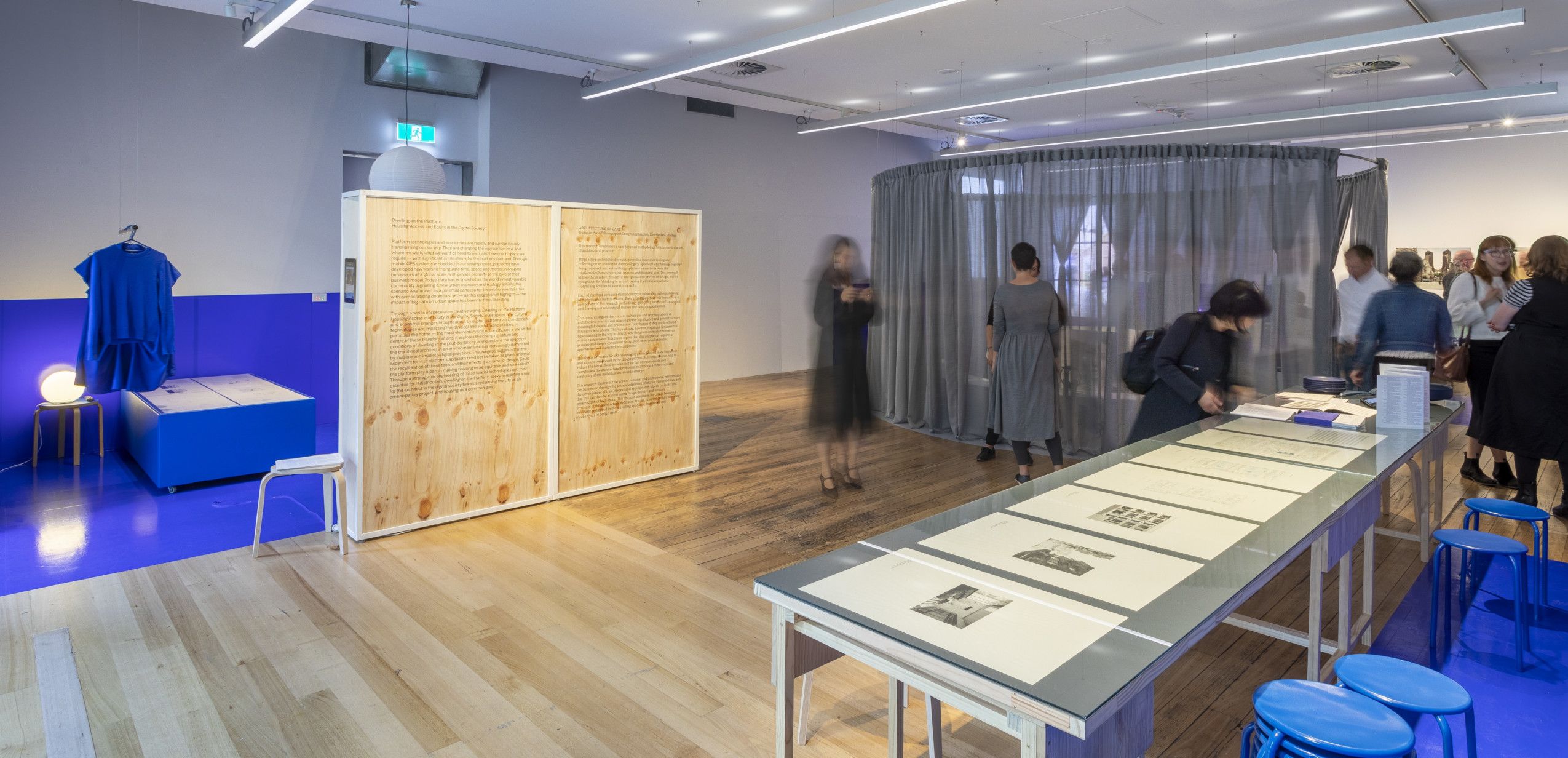
  • Photography: BLOXAS. U-P. Tobias Titz

This research established a care-focussed methodology for the rearticulation of architectural practice.

Three active architectural projects provided a means for testing and reflecting on an innovative methodological approach which brought together design research and auto-ethnography as a means to explore the relationships between project, process, architect and user. This approach utilised the iterative, projective and speculative process of design, and its recognition for ‘thinking in action’, pairing it with the empathetic storytelling abilities of auto-ethnography.

Each of the three core case studies examined a project for an individual (or group of individuals) living with physical or mental trauma. Their lived experiences formed a critical component of this research methodology, providing a means of comparing and drawing out relationship themes and design opportunities. This research argues that current techniques and representations of architectural practice can take on greater significance and generate a more meaningful societal and professional contribution if they are developed through a lens of care. This lens of care, however, requires a fundamental repositioning in the way architects and designers orientate themselves within each project.

This research argues that this adaptation requires a genuine and deeply considered recognition of personal attitudes, approaches and ingrained presumptions. This thesis advocated for self-reflection as a valuable and more conscious and explicit component in the design process. Self-reflection can help to reduce the hierarchical imbalances that can often dominate and overshadow the architectural profession by allowing a more cognisant sensibility of the individual architect to emerge. This research illustrates that greater personal and professional relationships can be formed through the acknowledgement of mutual vulnerabilities, and the development of trust, respect and appropriately placed curiosity, and that this can then be evident in the design delivery and ultimate construction of built space.

This research advocates for care to become a provision of this architectural definition. It does, however, require that care be clearly embedded in the prevailing approach, framework and mechanisms of design itself.

Keywords


Accountability, Advocacy, Architecture, Bio-psycho-social, Care, Insider-Outsider, Integrity, Lived experience, Person centredness, Research, Sensibility, Sustainability, Trust

Photography

2.
arrowleft
arrowright

(1 of 16)

Photography

4.
arrowleft
arrowright

(1 of 4)