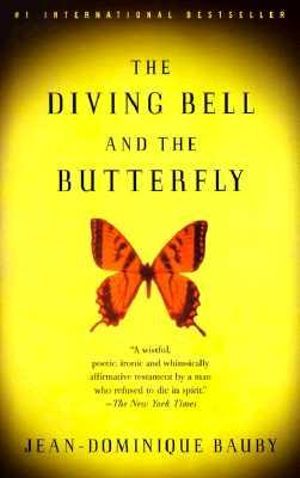
In 1995, Jean-Dominique Bauby was the editor-in-chief of French Elle, the father of two young childen, a 44-year-old man known and loved for his wit, his style, and his impassioned approach to life. By the end of the year he was also the victim of a rare kind of stroke to the brainstem. After 20 days in a coma, Bauby awoke into a body which had all but stopped working: only his left eye functioned, allowing him to see and, by blinking it, to make clear that his mind was unimpaired. Almost miraculously, he was soon able to express himself in the richest detail: dictating a word at a time, blinking to select each letter as the alphabet was recited to him slowly, over and over again. In the same way, he was able eventually to compose this extraordinary book.
A practice for empathic and
experimental architecture
3.Library
4.Model
5.Image
6.Plan
8.Library
9.Selected student investigations
Institute of Medicine; Board on the Health of Select Populations; Committee on the Diagnostic Criteria for Myalgic Encephalomyelitis/Chronic Fatigue Syndrome
Project Details
- Commenced: 2018
Keywords
Chemical Sensitivity, Cognition, Darkness, Light, Myalgic Encephalomyelitis, Sensorial, Silence, Smell, Sound
Myalgic Encephalomyelitisby Taylor Ryan
2.I have been ill with ME/CFS (Myalgic Encephalomyelitis/Chronic Fatigue Syndrome) for 3 years, initially getting sick with what was presumed a parasite, whilst on a trek through Peru a few months before I turned 21. Pre-illness I was an extremely active, fit and passionate young woman, ready to take on the world, make a difference and motivated for change. I spent a year at RMIT studying a Bachelor of Design, before leaving to travel alone through India and South America for 10 months, planning to return and follow an education path in Permaculture design and living. My trip was cut short after it became clear that I was not recovering from the illness, and instead getting slowly worse and developing new symptoms along the way. My family and I spent a good two years going from doctors to specialists, reaching a total of 24 professionals. Undergoing countless tests, we discovered various issues and abnormalities along the way, but nothing enough to explain my quickly deteriorating condition. I was slapped with the ME/CFS diagnosis and told “that there was nothing they could do, I’ll be better in 2 years”. I was faced with stigma, ill educated and often patronising remarks from various professionals, and even from emergency hospital stays. One Neurologist told me to “pick a day to be better by”, as it was all in my head.
Read More
Library
3.The Diving Bell and the Butterfly
Jean-Dominique Bauby
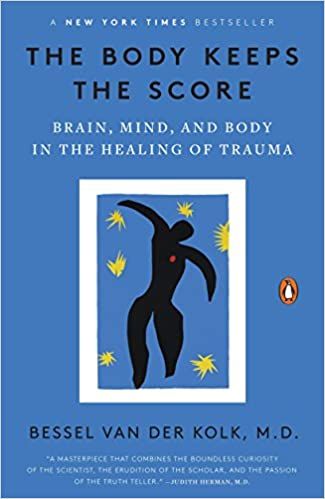
The Body Keeps the Score
Bessel van der Kolk
The Body Keeps the Score exposes the tremendous power of our relationships both to hurt and to heal–and offers new hope for reclaiming lives.
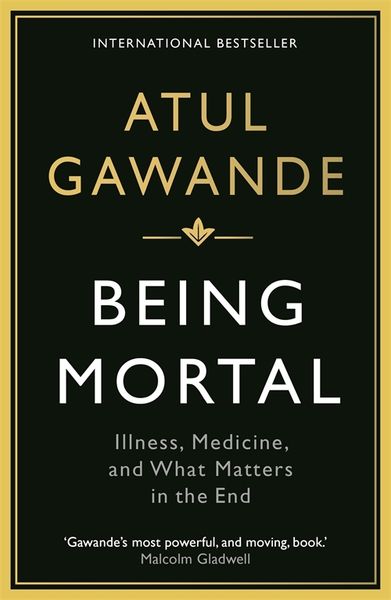
Being Mortal
Atul Gawande
Medicine has triumphed in modern times, transforming birth, injury, and infectious disease from harrowing to manageable. But in the inevitable condition of aging and death, the goals of medicine seem too frequently to run counter to the interest of the human spirit. Gawande, a practicing surgeon, addresses his profession’s ultimate limitation, arguing that quality of life is the desired goal for patients and families.
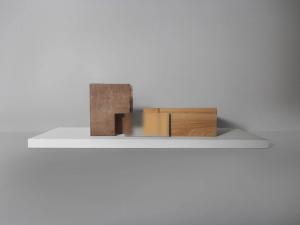
Model
4.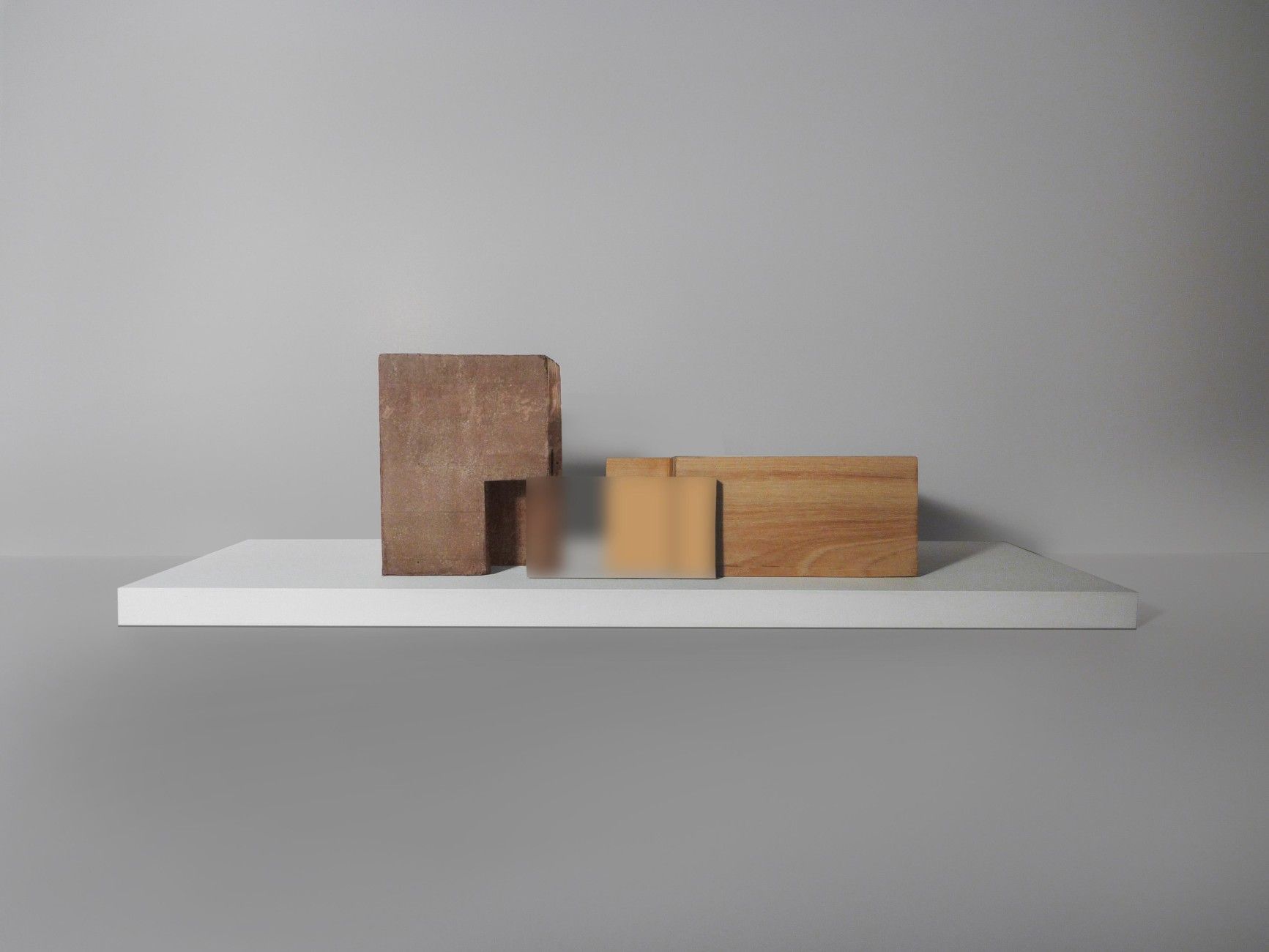
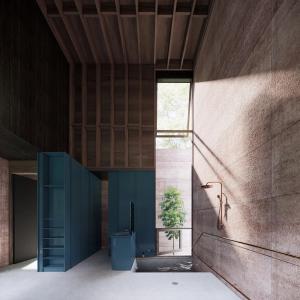
Rammed Earth (Therapy room). Timber (Living space)
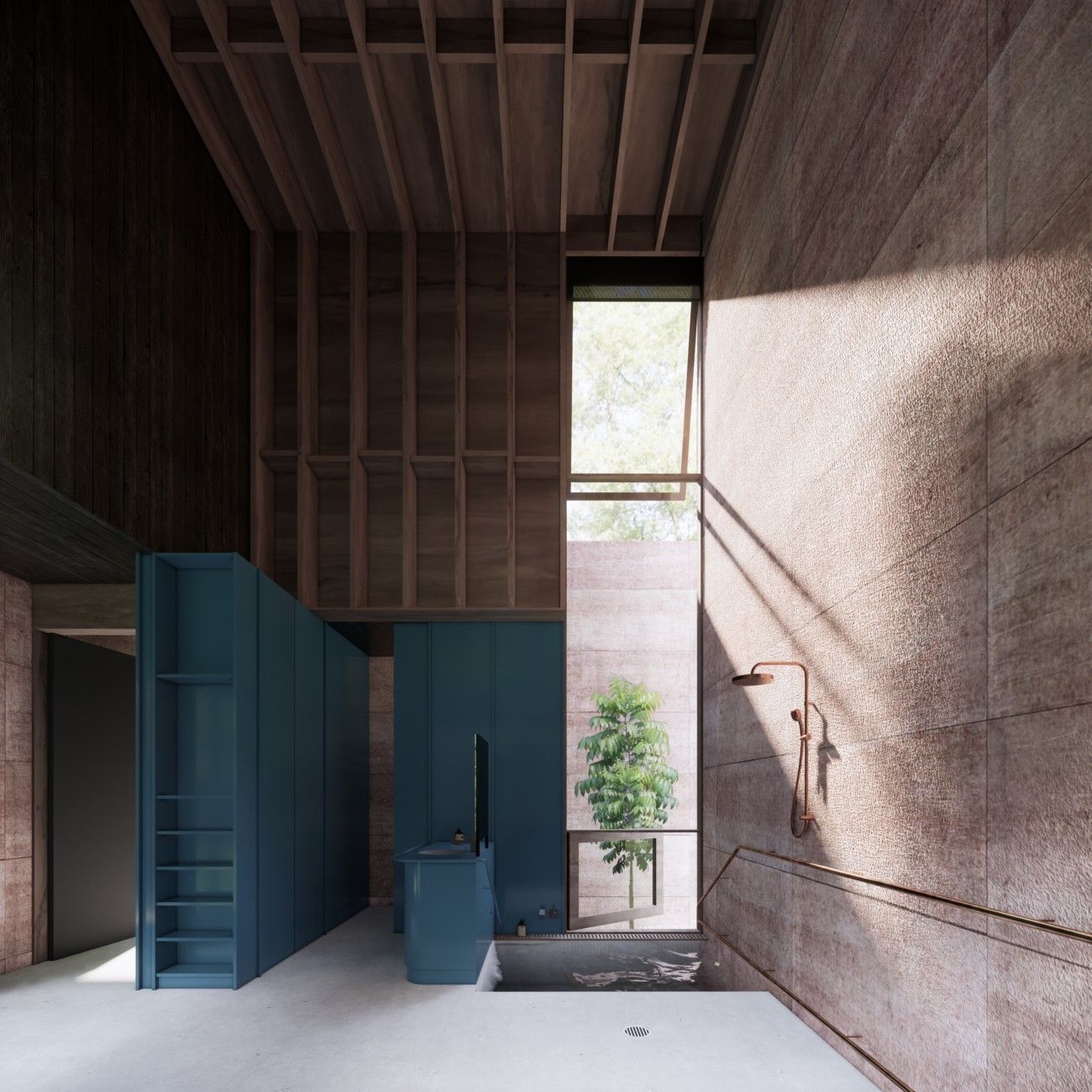
Image
5.
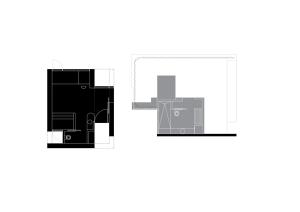
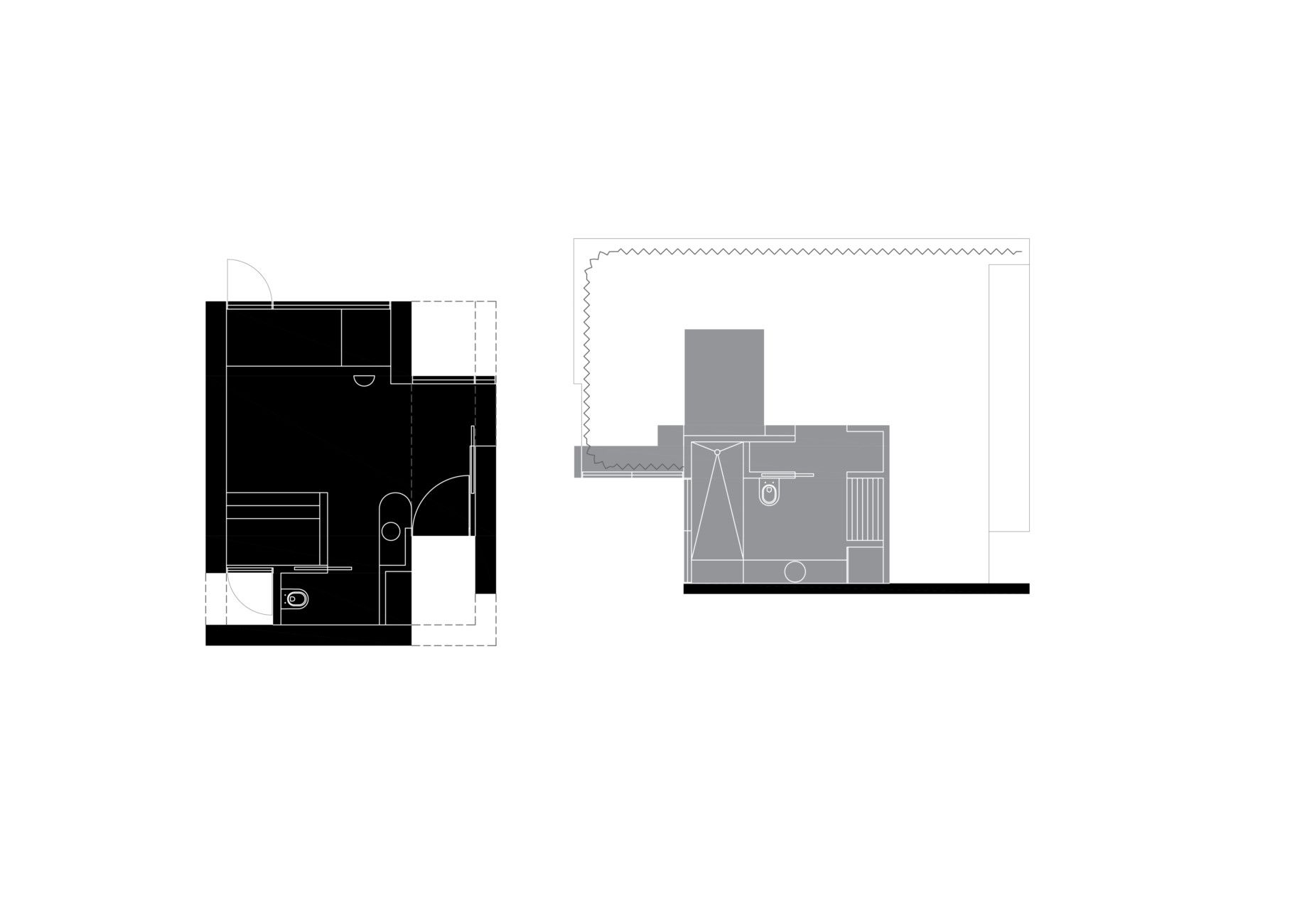
Plan
6.
References
7.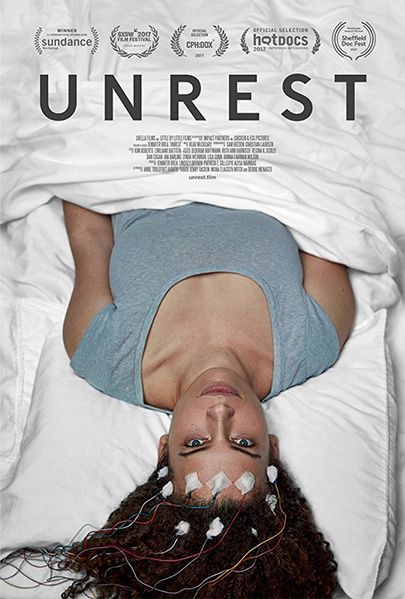
Unrest (film): Jennifer Brea
Unrest is a first-person story of resilience in the face of life-altering loss, exploring how we treat people with illnesses we do not yet understand — how confronting the fragility of life teaches us its value and, ultimately, how we all have the need to find community and connection.
Library
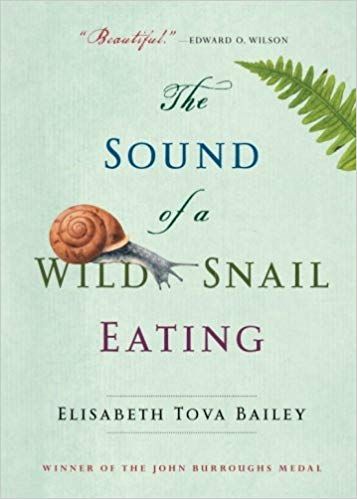
8.The Sound of a Wild Snail Eating
Elisabeth Tova Bailey
In a work that beautifully demonstrates the rewards of closely observing nature, Elisabeth Tova Bailey shares an inspiring and intimate story of her encounter with a Neohelix albolabris-a common woodland snail. While an illness keeps her bedridden, Bailey watches a wild snail that has taken up residence on her nightstand. As a result, she discovers the solace and sense of wonder that this mysterious creature brings and comes to a greater understanding of her own place in the world.
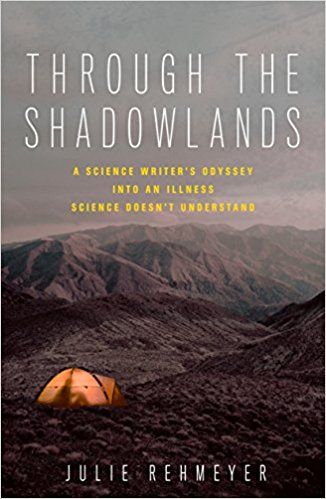
Through the Shadowlands
Julie Rehmeyer
Julie used her scientific savvy and investigative journalism skills to find a path to wellness—and uncovered how shocking scientific neglect and misconduct had forced her, and millions of others, to go it alone. In stunning prose, Rehmeyer describes how her illness transformed her understanding of science, medicine and spirituality.
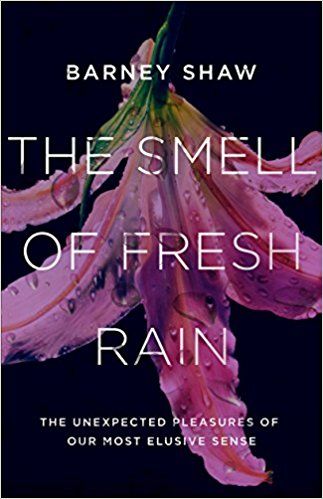
The Smell of Fresh Rain
Barney Shaw
Smell is the most emotional and evocative of our senses: it can bring back memories faster and with more immediacy than a photograph – so why is it so little understood? An investigation into the biology, psychology and history of smell, and a search for effective ways to put into words scents that we instantly relate to, but find strangely ineffable
Creating Sensory Spaces
Barbara Erwine
This book presents a new framework for the design of sensory spaces including light, color, temperature, smell, sound, and touch. Bridging across disciplines of architecture, engineering, phenomenology and perceptual psychology, this book informs the design of buildings and neighborhoods that reclaim the role of the body and all the senses in creating memorable experiences of place and belonging.
Atmospheres: Aesthetics of Emotional Spaces
Tonino Griffero
Examining the role of atmospheres in daily life, and defines their main characteristics. Outlining the typical phenomenological situations in which we experience atmospheres, it assesses their impact on contemporary aesthetics.
Selected student investigations
9.